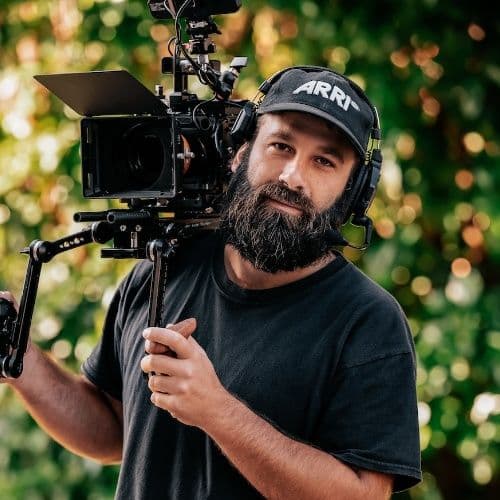
A full-time YouTube creator's day is split into four focused blocks: mornings for content creation (filming, editing, scripting), midday for community engagement, afternoons for monetization (paid calls and consultations with fans), and evenings for planning and business management. The creators who actually make a full-time living diversify beyond AdSense — combining ad revenue, sponsorships, paid 1:1 sessions, and digital products usually pulls in $5K–$15K/month for channels with 50K–250K subscribers.
Time-block your day: content creation in the morning, community midday, paid calls in the afternoon, planning at night — context-switching kills creator productivity.
Don't rely on AdSense alone. The full-time creators making real money stack 3–5 income streams: ads, sponsorships, paid calls, products, and memberships.
Paid 1:1 calls at $100–$150 per session are the fastest path to predictable revenue — even 3 calls a week adds $1,200+/month on top of ad income.
Batch your filming. One full shoot day can produce 2–4 weeks of content, freeing the rest of the week for monetization and engagement.
Burnout is the #1 creator killer. Set hard boundaries, automate scheduling and payments, and delegate editing once you cross $5K/month.
The Diversified Creator Schedule
Being a full-time YouTube creator is not just about hitting record; it's about crafting a balanced schedule that keeps you productive and engaged. The diversified creator schedule incorporates various activities essential for sustaining and growing your channel while ensuring you maintain a steady income.
To start, you must wear many hats—from content creator to community engager. Your daily routine should include dedicated time blocks for creating, engaging, consulting, and strategizing. Many creators find success by allocating specific times of the day to these tasks, ensuring they are consistently productive. For instance, dedicating mornings to content creation can help you harness peak creativity, while afternoons could be reserved for monetization activities.
A well-rounded schedule involves more than just filming and editing. Engaging with your audience, planning future content, and managing business operations are just as crucial. Diversifying your daily tasks not only keeps the content pipeline flowing but also opens new revenue streams. A creator who balances these elements efficiently can transform their channel into a sustainable business.
Consider these key components of a diversified schedule:
Content Creation: Block out time for scripting, filming, and editing.
Community Engagement: Reserve periods for interacting with your audience through comments and social media.
Monetization Activities: Include slots for brand collaborations, paid consultations, and product development.
Business Planning: Dedicate time for analyzing metrics, planning future content, and strategizing growth.
The goal is to customize this framework to fit your unique needs and growth objectives, thus maximizing productivity without stretching yourself too thin.
Morning: Content Creation Block (8-11 AM)
Frequently Asked Questions
What is a typical schedule for a full-time YouTuber?+
A full-time YouTuber typically blocks the morning (8–11 AM) for filming and editing, midday (11 AM–1 PM) for community engagement on YouTube and social, afternoon (2–5 PM) for paid calls and consultations with their audience, and evening (5–7 PM) for planning, business management, and final edits. The exact times shift by time zone and energy, but the structure of creation → engagement → monetization → planning is what separates full-time creators from burned-out hobbyists.
How much can a full-time YouTube creator actually earn?+
A channel with 100K subscribers and a diversified income stack typically earns $5K–$15K per month: roughly $1,500–$2,500 from AdSense, $1,000–$3,000 from sponsored videos, $1,200–$3,000 from paid 1:1 calls and consultations, and additional revenue from digital products. Creators who only rely on AdSense at that subscriber count usually struggle to break $3K/month.
How do YouTubers get paid for 1:1 calls with fans?+
Most use a booking platform that handles scheduling, payment, and video in one link. The creator sets their rate (typical: $100–$300 per session for niche expertise), shares the link in their YouTube descriptions, pinned comments, and bio, and the platform takes a small cut while handling payment processing and reminders. Talkspresso, for example, takes 10% and handles the entire flow so the creator just shows up to the call.
How do I prevent burnout as a full-time YouTube creator?+
Burnout almost always comes from blurred boundaries and trying to do every role yourself. Three rules help: (1) hard-stop times — no editing past 7 PM, no weekends on camera; (2) batch and delegate — one shoot day per week, hire an editor once you cross $5K/month; (3) automate booking, payments, and reminders so admin doesn't bleed into creative time. Schedule one full day off per week without exception.
The morning hours are often the most productive for many people. For YouTube creators, allocating this time to content creation activities can significantly impact the quality and consistency of your uploads. Between 8 and 11 AM, focus on tasks like scripting, filming, and initial edits.
Start with scripting and brainstorming. Use the fresh energy of the morning to flesh out ideas for upcoming videos. This is the time to get creative and think about how to best deliver value to your audience. Consider what topics are trending or what your subscribers have been asking for lately. Ideally, you want to work on scripts for multiple videos simultaneously to maintain a backlog of content ideas.
Next, move on to filming. Aim to shoot in batches, capturing enough footage for several videos at once. This method not only saves time but also keeps you in the zone creatively. A well-organized shooting day could result in content for weeks, freeing up time later for engagement and business tasks.
Finally, begin the rough editing process. Import footage and start slicing, even if you don’t complete a video during this block. This initial step helps in identifying gaps or additional footage needs while the shoot details are still fresh in your mind.
Here’s a streamlined morning schedule:
8:00 AM - 8:30 AM: Scripting and brainstorming
8:30 AM - 10:00 AM: Filming content in batches
10:00 AM - 11:00 AM: Initial editing and review
This structure provides a solid foundation to kickstart your day, ensuring you maintain a steady flow of content creation.
Midday: Community, Comments, and Engagement (11 AM-1 PM)
Engaging with your community is not just a recommended practice—it's an essential aspect of maintaining and growing your YouTube channel. Midday, from 11 AM to 1 PM, is an excellent window for these activities, as it typically coincides with peak online activity. This is when your audience is most active and likely to engage with your content.
Start by responding to comments on your latest videos. This not only boosts your engagement metrics but also fosters a stronger connection with your audience. Acknowledge feedback, answer questions, and engage in discussions that might arise in the comments section. This interaction shows your subscribers that you value their input.
Next, shift your focus to social media platforms. Share your latest content, post updates, and interact with followers. Platforms like Twitter, Instagram, and TikTok are invaluable for extending your reach and engaging with your community outside of YouTube. Participate in relevant discussions, share insights, and even tease upcoming content to keep your audience engaged.
Finally, use this time to gather feedback and insights from your audience. Conduct polls, ask for video suggestions, or simply start a conversation to understand what your subscribers want to see more of. Their input can be instrumental in directing your content strategy and ensuring that you continually provide value.
A typical midday engagement schedule might look like this:
11:00 AM - 11:30 AM: Respond to YouTube comments
11:30 AM - 12:15 PM: Engage on social media platforms
12:15 PM - 1:00 PM: Gather feedback and insights from the community
This routine not only enhances your relationship with your audience but also provides you with valuable information to refine your content and strategy.
Afternoon: Paid Calls and Consultations (2-5 PM)
The afternoon is prime time for monetization efforts, such as paid calls and consultations. By 2 PM, shift your focus to generating revenue directly through one-on-one interactions with your audience. This time block is perfect for scheduling any coaching sessions, consultations, or personalized advice meetings that turn subscribers into paying clients.
Creating a structured approach to these calls ensures efficiency and professionalism. Set up a reliable booking system that automates scheduling and payments, making it easy for clients to book time with you. Talkspresso is an excellent platform for this, as it integrates scheduling, video calls, and payment processing into one seamless experience. This setup ensures your calendar stays organized without manual intervention.
During these sessions, focus on delivering value tailored to each client’s needs. Whether you're offering advice on growing a YouTube channel, video production tips, or business strategy, each session should leave the client feeling they received more than their money’s worth. Ensure you prepare adequately for each consultation, reviewing the client’s background and context to tailor your advice effectively.
Here's a breakdown of how your afternoon might unfold:
2:00 PM - 2:30 PM: Review and prepare for consultations
2:30 PM - 4:30 PM: Conduct paid calls and consultations
4:30 PM - 5:00 PM: Follow-up emails and notes
By dedicating a specific time for these activities, you create a steady revenue stream that complements ad revenue and sponsorships. The key is to price your time competitively, aiming for $100-$150 per session when starting out, with the potential to charge more as demand and your expertise grow.
Ready to add paid calls to your creator schedule?
Drop a Talkspresso link in your YouTube descriptions and turn viewers into $100+ booked sessions. Free to start. You keep 90%.
The evening hours, from 5 to 7 PM, are all about winding down and preparing for the next day while still maintaining productivity. Use this time for planning, editing, and managing the business aspects of your YouTube channel.
Begin with content planning. Review the day’s accomplishments and outline tasks for tomorrow. This could involve planning future videos, coordinating with collaborators, or mapping out your social media strategy. Effective planning ensures that every day starts with clear objectives, minimizing downtime and maximizing productivity.
Next, dive into video editing. Use this quieter time to refine your content, incorporating feedback received during the day. This stage is crucial for maintaining a high-quality channel, as polished content is more likely to engage viewers and attract new subscribers. Focus on tightening your edits, adding effects, and ensuring your video is ready for upload.
Finally, allocate time for business management tasks. Analyze your channel’s performance metrics, such as watch time, subscriber growth, and video engagement. These insights are critical for making informed decisions about your content strategy and identifying opportunities for growth. Additionally, attend to administrative tasks like responding to business emails or managing sponsorships.
A structured evening routine might include:
5:00 PM - 5:30 PM: Plan and strategize for the next day
5:30 PM - 6:30 PM: Edit video content
6:30 PM - 7:00 PM: Business analysis and management
This time block ensures you end the day on a productive note, setting the stage for another successful day of content creation.
Revenue Breakdown: What This Schedule Earns
Understanding how a diversified schedule translates into revenue is crucial for sustaining your career as a full-time YouTube creator. A combination of ad revenue, sponsorships, and direct client interactions, like consultations, contributes to your income.
Ad revenue remains a staple for most YouTubers. For example, a channel with 100,000 subscribers might earn $1,500-$2,500 per month, depending on content niche and viewer engagement. However, relying solely on ad revenue isn't advisable due to its volatility. Diversification is key to stabilizing income.
Sponsorships offer another significant revenue stream. Many creators charge between $500 and $5,000 per sponsored video, depending on their audience size and engagement rate. Sponsorships can become a reliable income source when integrated with your content in a way that resonates with your audience.
Paid consultations and calls add yet another layer of income. Even a modest rate of $100 per session can bring in substantial revenue when combined with a consistent client base. If you host three consultations per week, that’s an additional $1,200 per month.
Digital products or courses also contribute significantly. Selling a course at $99 can quickly add up if marketed effectively to your audience. Check out our guide on "How to Monetize YouTube Beyond AdSense (2026)" for more insights.
The bottom line: a diversified income strategy not only boosts revenue but also provides financial stability. It ensures that a dip in one area doesn't derail your overall income, making your YouTube channel more resilient and sustainable.
The Part-Time Creator Schedule
Not every creator can jump into full-time content creation immediately. For those balancing a day job or other commitments, a part-time creator schedule allows you to grow your channel without the pressure of immediate financial returns.
A part-time schedule involves strategic time management. Aim for focused content creation during evenings and weekends while maintaining flexibility for engagement and planning during the week. This schedule might not be as intense as a full-time creator’s, but it lays the groundwork for future growth.
Start by identifying non-negotiable time slots in your calendar. These are blocks where you'll consistently work on your channel, just as you would treat any other important commitment. Evenings could be reserved for editing and planning, while weekends might be your go-to for filming and brainstorming.
Breaking down a part-time schedule into manageable chunks looks like this:
Weekdays (7-9 PM): Focus on editing and planning
Weekends (10 AM-2 PM): Dedicate to filming and brainstorming
Flexible blocks: Use spare moments for community engagement and responding to comments
While a part-time schedule might slow the pace of growth initially, consistency is key. Regular uploads and engagement build a loyal audience base, which can eventually lead to full-time opportunities. For more detailed strategies on scaling your YouTube business, read our article on "Scaling Beyond YouTube: Building a Creator Business".
Avoiding Creator Burnout
Burnout is a real threat to full-time YouTube creators, especially when juggling multiple roles and responsibilities. Maintaining a sustainable pace and ensuring your workload is manageable are essential for long-term success and well-being.
Start by setting realistic goals. Ambitious targets can be motivating, but they should not come at the expense of your mental health. Balance your workload by spreading tasks throughout the week and taking regular breaks to recharge.
Prioritize tasks based on their impact on your channel's growth. Focus on high-value activities, such as content creation and audience engagement, while delegating or minimizing less impactful tasks. Using tools and platforms that automate repetitive tasks can also help reduce your workload.
Consider these strategies:
Schedule regular breaks: Incorporate short breaks to rest your mind and avoid fatigue.
Set boundaries: Clearly define work and personal time, especially if working from home.
Seek support: Whether it's hiring an editor or using a virtual assistant, don't hesitate to delegate tasks that drain your energy.
Remember, maintaining your health and well-being is as crucial as growing your channel. A balanced approach will ensure you remain passionate and productive over the long haul, allowing you to deliver high-quality content without compromising your health.
Build Your Creator Day Around Revenue, Not Just Reach
The biggest mindset shift for full-time creators is treating your channel as a media business with multiple product lines, not a viral lottery ticket. Reach feeds the funnel — but paid calls, products, and sponsorships are the income engine. A creator with 20K engaged subscribers and a $150 paid call offer often out-earns a 200K-subscriber channel running on AdSense alone.
The schedule above is a template, not a prescription. Adapt it to your peak energy hours, your audience's time zone, and the offers you're building. The structure that matters is: protected creation time, intentional engagement time, and a real monetization block where you actually get paid for your expertise.
Ready to streamline your schedule and make the most of your time? Talkspresso handles bookings, payments, and video for your paid 1:1 calls and workshops, so you can focus on creating. Create your free page in under 2 minutes.
Can a part-time creator eventually go full-time on YouTube?+
Yes — most successful full-time creators started part-time. The path is consistency (weekly uploads in one tight niche for 12–18 months), proof (5–10 testimonials or case studies from paid offerings), and a diversified income stack of at least 3 streams before quitting your day job. Use evenings (7–9 PM) for editing/planning and weekends for batch filming until 1:1 calls and digital products replace 70%+ of your salary.
How many subscribers do you need to go full-time on YouTube?+
There's no magic number — it's about revenue per subscriber, not raw subscriber count. Niche channels with 10K–25K highly engaged subscribers in expensive verticals (B2B, finance, software, coaching) often out-earn 500K-sub entertainment channels because their audience converts to $100+ calls and $200+ products. Focus on engagement and willingness-to-pay, not subscriber milestones.